
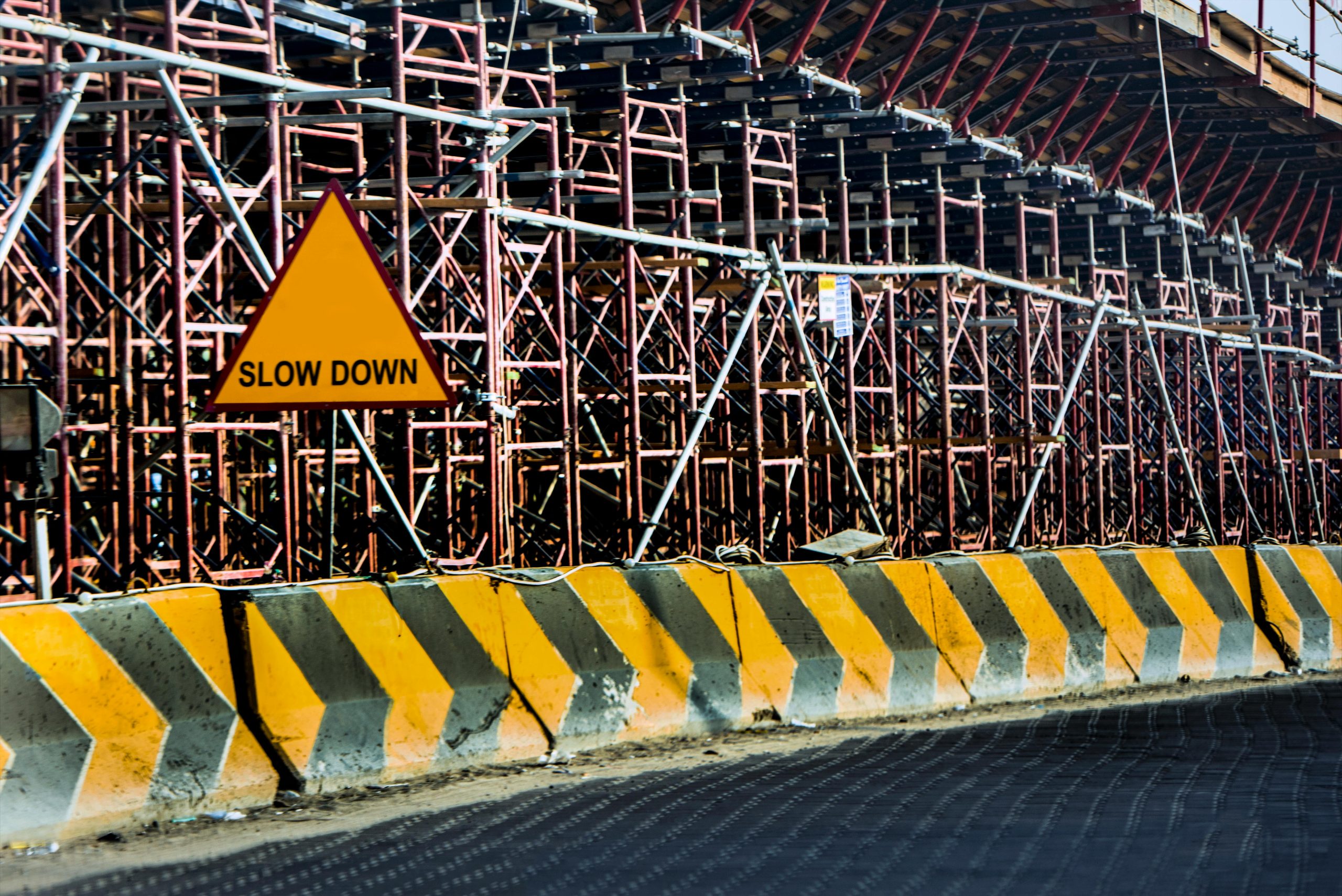
Slow Down: Why Understanding Operational Risk Must Come Before Coverage
Walk into any agency on a Monday morning and you’ll see the same thing: agents racing from quote to quote, juggling emails, trying to keep up with carrier requests, and hoping the next prospect is “easy.” It’s a familiar rhythm; fast, transactional, efficient.
But efficiency can be dangerous.
Because somewhere in that rush, an agent is about to recommend coverage for a business they barely understand. And that’s where the real trouble begins.
The Moment That Changes Everything
Every seasoned agent has had that moment the claim that didn’t go the way the client expected. The phone call where the business owner says, “But you knew what we did… right?” A sinking feeling when you realize you didn’t ask quite enough questions.
It’s never about the policy; it’s always about the operations you didn’t fully see.
That moment becomes a turning point. It forces you to slow down. To look closer; ask better questions; understand that coverage is the last step, not the first.
Businesses Aren’t ACORD Forms, They’re Living Systems
A business isn’t a class code. It isn’t a payroll number; a list of vehicles; or a square footage on a property schedule.
A business is a living, breathing system made up of:
- People who make decisions
- Processes that keep things moving
- Equipment that breaks
- Customers who expect consistency
- Vendors who create dependencies
- Technology that can fail
- Workflows that evolve
When you rush, you miss the nuances. And the nuances are where the exposures hide.
The Contractor Who “Just Builds Stuff”
Think about the contractor who tells you, “We do general construction.” Easy enough, right?
But Slow down.
Walk the job site. Ask who’s self‑performing what; ask about subs; ask about cranes, lifts, trenching, roofing, demo work, safety meetings, and who signs off on what.
Suddenly, “general construction” becomes a complex web of operational risk and the coverage you thought they needed shifts dramatically.
The Retailer Who “Just Sells Products”
A boutique retailer seems simple until you learn:
- They ship nationwide
- They store customer data
- They run pop‑up events
- They outsource fulfillment
- They rely on one key supplier
None of that shows up on an application unless you ask. And none of it gets covered properly unless you understand the operations behind the scenes.
The Manufacturer With “One Important Machine”
You walk through a manufacturing plant and notice a single machine humming in the corner. The owner casually mentions, “If that thing goes down, we’re done for weeks.”
That’s not a throwaway comment, that’s the heart of their business interruption exposure.
However, you only catch it if you slow down enough to listen.
Operational Risk Is the Story Behind the Coverage
Coverage is the conclusion. Operational risk is the plot.
When you understand the story; the characters, the conflicts, the turning points, the coverage becomes obvious. You’re no longer guessing. You’re advising.
And your client can feel the difference.
Why Slowing Down Protects Everyone
If you take the time to understand operational risk:
- You uncover exposures the client didn’t know existed
- You build trust because you’re genuinely curious
- You reduce your own E&O exposure
- You create coverage recommendations that actually match reality
- You elevate yourself from salesperson to strategic partner
This is the work that separates agents who quote from agents who protect.
The Invitation
The next time you sit down with a client, resist the urge to jump straight into coverage. Don’t let the pace of the industry dictate the depth of your work.
Pause. Observe. Ask. Listen. Think.
Walk through their operations like you’re reading a story for the first time; slowly, intentionally, with curiosity.
Because when you understand how a business truly operates, you don’t just sell insurance. You safeguard livelihoods; you prevent heartbreak; you become the advisor they didn’t know they needed.
And that’s the kind of agent the industry needs more of.
Want to learn more about becoming a better advisor to your commercial clients. Sign up for our online commercial training course today!